Source Electric Motorcycle Motocross Chain for Racing, Off-Road, and Daily Commuting
Find and compare 30 electric motorcycle motocross chain options from verified Chinese manufacturers. Evaluate specifications such as voltage, power output, and frame materials to select the right drive components for racing, off-road adventures, and daily commuting needs.
Key considerations
Products List


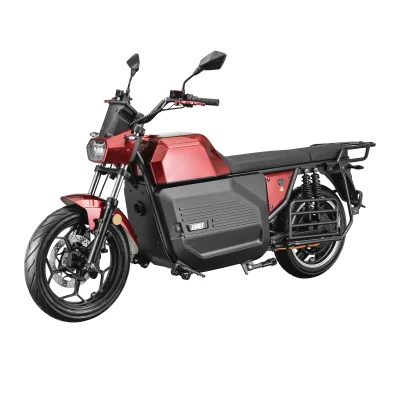


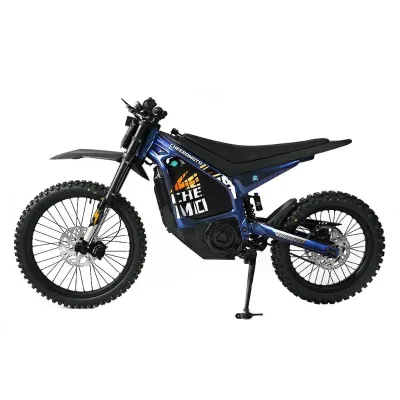
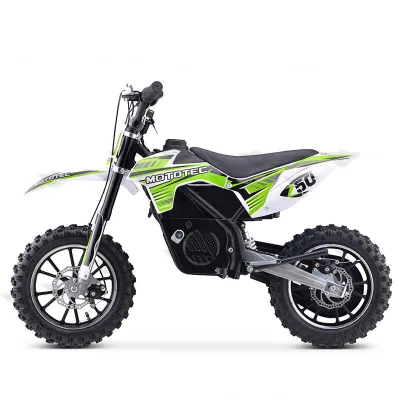


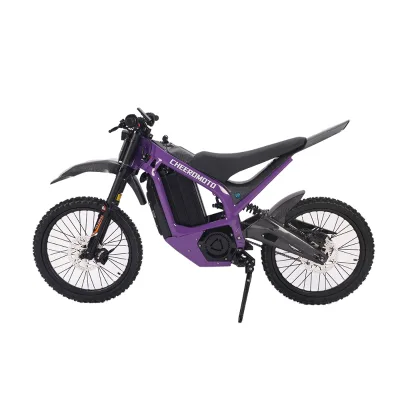
Comprehensive Sourcing Guide
Electric Motorcycle Motocross Chain Sourcing Guide
Sourcing the correct drive chain for electric motorcycle motocross applications requires a nuanced understanding of the unique stress profiles these vehicles impose on power transmission systems. Unlike traditional internal combustion engine (ICE) motorcycles, electric models often deliver instant torque from a standstill, placing immediate and severe lateral and tensile loads on the chain and sprocket assembly. This guide synthesizes observed market data and technical specifications to help procurement professionals navigate the complexities of selecting, verifying, and sourcing durable chain systems for high-performance electric off-road vehicles.
The following sections provide a structured approach to evaluating suppliers, verifying technical compliance, and managing commercial risks. By focusing on the specific attributes of electric drivetrains—such as high voltage systems, lightweight aluminum frames, and variable power outputs—buyers can establish robust quality control protocols. This ensures that the final assembled vehicle meets performance expectations while maintaining safety and longevity in demanding motocross environments.
Product Scope and Observed Listing Signals
The current market for electric motorcycle components reveals a diverse range of models with varying power outputs and structural designs, which directly influences chain selection requirements. Observed listings indicate a significant spread in power ratings, ranging from entry-level units with 1001-2000W motors to high-performance models exceeding 2000W, with specific configurations reaching up to 3000W. For instance, models like the M300 and EM005 PRO feature robust lithium battery systems and higher voltage inputs (74V and 60V respectively), suggesting that their drive chains must withstand higher torque loads compared to lower-voltage counterparts like the HP115E or HP110E-C, which operate at 36V.
Frame material and vehicle dimensions further dictate the mechanical demands on the chain system. While some models utilize steel frames for maximum durability, others, such as the T30 and EM005 PRO, employ aluminum alloy frames to reduce weight, a common practice in motocross to enhance agility. The T30, for example, boasts a substantial wheelbase of 1490mm and a seat height of 950mm, indicating a larger chassis that may require longer chain lengths and specific pitch sizes. Buyers must correlate these physical dimensions with the observed tire sizes, which vary from small 10-inch wheels on urban commuters to larger 21-inch front and 18-inch rear tires on off-road capable models, ensuring the chain length and tensioning mechanism are appropriately scaled.
Technical Specifications to Verify
When evaluating chain specifications, the primary focus must be on matching the chain pitch and roller width to the sprocket teeth count and the vehicle’s torque output. For high-torque electric models like the M300, which specifies a 3000W 74V system, the chain must have a high tensile strength rating to handle the instantaneous power delivery without elongating or failing under load. Procurement teams should verify that the chain’s material composition, often stainless steel or nickel-plated carbon steel, is suitable for the abrasive conditions typical of motocross, where exposure to mud, water, and dust is inevitable.
Voltage and power compatibility also influence the electrical isolation requirements if the chain serves as part of a grounded system, though typically, the chain is mechanically isolated. However, the overall vehicle architecture, such as the 72V system in the T30 or the 60V system in the HP130E PRO, requires that the chain’s lubrication and maintenance schedule align with the vehicle’s service intervals. Buyers should confirm that the chain’s maximum load capacity exceeds the motor’s peak torque output, which for some models is specified at 27Nm at 7000RPM, ensuring a safety factor that prevents premature wear during aggressive acceleration and hard braking scenarios.
Compliance and Safety Documentation
Certification standards play a critical role in validating the quality and safety of electric motorcycle components, particularly when these vehicles are intended for international markets. The observed listings highlight certifications such as EEC and CE, which indicate that the vehicles and their components meet specific European safety and environmental standards. For the chain and sprocket assembly, this implies that the materials used must be free from hazardous substances and that the manufacturing process adheres to quality management systems that ensure consistent product performance.
Buyers must ensure that the chain suppliers provide documentation that aligns with the vehicle’s overall certification status. For example, if a model like the EM005 PRO carries CE certification, the chain should be sourced from a supplier who can provide material test reports and compliance certificates that support the vehicle’s declaration of conformity. This is particularly important for motocross applications, where safety risks are higher due to the nature of the sport, and any component failure can lead to severe accidents. Verifying that the chain meets relevant ISO standards for roller chains, such as ISO 606, ensures that the product dimensions and performance characteristics are standardized and reliable.
Cost Drivers and Commercial Terms
The price range for electric motorcycle components, as observed in the market, spans from approximately $174.76 to $7999, reflecting the vast differences in model complexity, power output, and included accessories. For chain systems specifically, costs are driven by material quality, manufacturing precision, and packaging standards. Models with aluminum alloy frames and high-performance batteries, such as the M300, likely command higher prices due to the advanced engineering required for their drivetrains, whereas simpler models like the HP110E-C may have lower component costs.
Minimum Order Quantities (MOQ) vary significantly, ranging from 1 to 150 units, offering flexibility for both small-scale customizers and large-volume distributors. Buyers should negotiate terms that align with their inventory strategy, considering that higher MOQs may offer better unit prices but increase storage and capital tie-up costs. Additionally, packaging methods, such as the use of thick honeycomb cardboard boxes for the M300 or iron and carton combinations for the T30, impact shipping costs and product protection, so these factors should be included in the total landed cost calculation.
Supplier Qualification and Quality Control
Supplier qualification for electric motorcycle chains requires a rigorous assessment of manufacturing capabilities and quality control processes. Given the critical nature of the drive chain in ensuring vehicle safety and performance, buyers should verify that suppliers have established quality management systems, such as ISO 9001, and conduct regular audits of their production lines. This is especially important for suppliers producing chains for high-power models like the 3000W M300, where any defect can lead to catastrophic failure.
Quality control measures should include incoming material inspections, in-process checks for chain pitch and roller diameter, and final testing for tensile strength and fatigue resistance. Buyers should request sample batches for independent testing to verify that the chains meet the specified performance criteria. Additionally, suppliers should provide clear traceability records, allowing buyers to track the origin of materials and the manufacturing history of each batch, which is essential for addressing any potential quality issues or recalls.
Long-Term Procurement Checks
Long-term procurement success depends on establishing strong relationships with suppliers who can provide consistent quality and support throughout the product lifecycle. Buyers should monitor supplier performance metrics, such as on-time delivery rates, defect rates, and responsiveness to quality issues, to ensure that the supply chain remains reliable. For electric motorcycle motocross chains, this is particularly important due to the high wear rates associated with off-road use, which may necessitate frequent reordering or replacement parts.
Furthermore, buyers should stay informed about technological advancements in chain materials and designs, such as the development of self-lubricating chains or chains with enhanced corrosion resistance, which can improve vehicle performance and reduce maintenance costs. By maintaining open communication with suppliers and participating in industry forums, buyers can gain insights into emerging trends and best practices, ensuring that their procurement strategies remain competitive and aligned with market demands. This proactive approach helps mitigate risks and supports the long-term success of electric motorcycle motocross operations.
FAQs
What frame materials are available for electric motorcycles?
Steel and aluminum alloy frames are available for electric motorcycles. The product list includes models with steel frames and others with aluminum alloy frames, offering different durability and weight characteristics for various riding needs.
Which voltage options exist for these electric motorcycle models?
Voltage options include 36V, 60V, and 72V systems. Specific models like the HP115E operate at 36V, while the HP130E uses 60V, and the M300 model supports a 74V system with removable lithium batteries for extended range.
Can I find electric motorcycles with high power output?
Yes, models with power ranging from 1001-2000W to over 2000W are available. The M300 model features a 3000W system, while other models offer power outputs between 1001 and 2000W to suit different performance requirements.
What certifications do these electric motorcycles hold?
Certifications include EEC and CE standards for compliance. The product specifications list EEC certification for certain models and CE certification for others, ensuring they meet specific regional safety and regulatory requirements for electric vehicles.
How is the packaging handled for these electric motorcycles?
Packaging varies by model, using iron and carton, thick honeycomb cardboard boxes, or steel frames with carton outside. Some models are packed in dimensions like 1370*325*640mm, ensuring safe transport and protection during shipping.
Which tire sizes are offered for these electric motorcycles?
Tire sizes range from 2.5-10 to 12-inch and 14-inch options. Specific models feature combinations like 80/100-21 front with 120/100-18 rear, or 14-inch front with 12-inch rear, providing stability and traction for different terrains.